Introduction
Business Cards and Visiting Cards it have been a part of human life for many years. Today, when people meet for business or personal reasons, they often exchange cards. But many people feel confused when it comes to business cards and visiting cards. Are they the same? Or do they serve different purposes?
In this article, You will learn the biggest benefit of business cards and also understand why people often get confused between business cards and visiting cards. This article will also guide you on how to use them the right way.
What Are Business Cards and Visiting Cards?
Business Cards
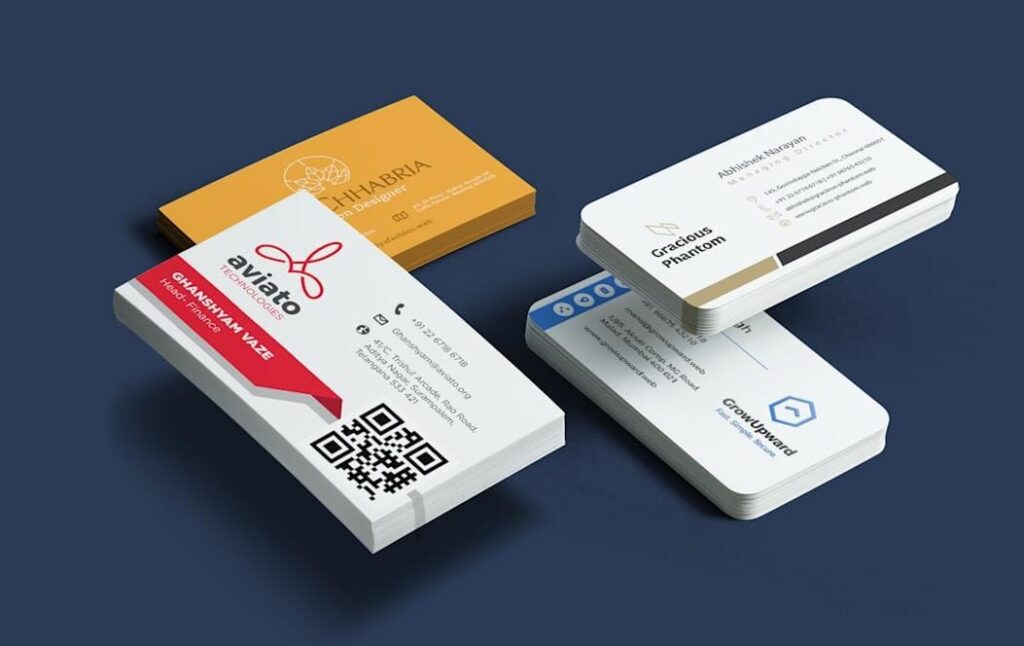
A business card is a small printed card that contains a person’s professional details. It helps people introduce themselves in a business setting. Usually, it includes:
- Name
- Job title
- Company name
- Phone number
- Email address
- Website
- Logo of the business
People share business cards during meetings, events, and networking sessions.
Visiting Cards
A visiting card is mainly used for personal or social reasons. It is more casual and is often used during social visits. It usually contains:
- Name
- Personal phone number
- Home address (optional)
Visiting cards are exchanged in non-business situations, like when visiting friends or relatives.
History of Cards
Visiting Cards
Visiting cards have a long history. It first shown in China in the 15th century. Later, people in Europe also started using them in the 17th century. In those days, visiting cards showed the status of a person. Wealthy people would send their cards before visiting someone’s home to announce their arrival.
These cards were simple but elegant. They often had the person’s name and sometimes a family symbol.
Business Cards
Business cards became popular during the Industrial Revolution. As businesses grew, people needed a way to share their business details quickly. Business cards became the answer. They were used to exchange contact information and promote businesses.
Today, business cards are a vital part of business networking worldwide.
Main Difference Between Business Cards and Visiting Cards
| Feature | Business Card | Visiting Card |
|---|---|---|
| Purpose | Professional networking and business use | Personal and social use |
| Details Included | Name, job title, company name, contact info, logo | Name, personal contact info (sometimes address) |
| Design Style | Professional, formal, company branding | Simple, casual, sometimes decorative |
| Usage Situations | Business meetings, conferences, job interviews | Family visits, personal meet-ups |
| Audience | Clients, business partners, employers | Friends, relatives, neighbors |
Powerful Advantage of Business Cards
The biggest advantage of business cards is that they act as a strong professional identity tool.
Here’s how:
1. Build Trust and Professional Image
When you hand over a business card, it makes you look professional. This helps in building trust with the person you are meeting.
2. Easy Way to Share Details
In business, people don’t have much time for long conversations. It saves time and avoids confusion.
3. Boost Business Growth
It’s smart marketing tool. Each card you share can lead to a new customer or business deal. It helps spread the word about your company and services.
4. Leave a Strong First Impression
A well-designed business card leaves a lasting impression. It makes people remember you and your business after a meeting.
5. Connect Offline and Online Networks
Many business cards today include QR codes, websites, and social media links.
Common Confusion Between Business Cards and Visiting Cards
Many people still mix up business cards and visiting cards. Here’s why:
1. Same Size and Shape
Both cards look similar in size and shape. This makes it hard for some people to tell them apart at first glance.
2. Similar Use by Small Businesses
Some small business owners use visiting cards for business because they are cheaper to make. This practice creates confusion about their correct purpose.
3. Cultural Mix-Up
In some countries, people use the terms “business card” and “visiting card” for the same thing. This causes confusion about their meanings.
4. Modern Designs Blur the Line
Today, many people design visiting cards to look formal, while business cards are becoming more creative and casual. This overlapping design style confuses many users.
5. Digital Trends
Some people use one digital card for both business and personal use, which further adds to the confusion.
How to Avoid This Confusion
Here are some tips to avoid mixing them up:
1. Identify Your Purpose
Before you design or print a card, ask yourself:
- Is this card for professional use or personal use?
2. Use the Right Design
For business cards:
- Use your company’s colors and logo.
- Keep the design formal and professional.
For visiting cards:
- Keep it simple.
- Use soft colors and light designs.
3. Keep the Details Clear
- Business cards should mention your job title, company name, and business contact details.
- Visiting cards should only have your name and personal contact info.
4. Educate Your Staff
If you run a business, make sure your employees know the difference. Train them to use the correct type of card.
When to Use Business Cards and Visiting Cards
Knowing when to use which card is very important.
Use Business Cards When:
- You are attending a trade fair, seminar, or business event.
- You meet a client, supplier, or business partner.
- You are job hunting and attending interviews.
- You want to share your professional identity or services.
Use Visiting Cards When:
- You visit relatives, friends, or neighbors.
- You attend a social function or community event.
- You wish to give your personal contact information in a casual way.
Importance of Cards in Modern Times
Even though we now live in a digital world, physical cards still have great importance.
1. Personal Touch
Giving someone your card feels more personal than just sharing your number via text or email.
2. Easy to Carry and Share
Cards are small, lightweight, and easy to carry. You can share them instantly, without needing phones or internet.
3. Long-Lasting
People often keep cards for a long time. Unlike digital contacts, physical cards don’t get lost easily.
4. Makes You Memorable
A well-designed card makes people remember you and your business.
5. Offline-Online Connection
By adding QR codes or websites, cards can bridge the gap between offline and online worlds.
Tips for Designing Effective Cards
Business Cards
- Keep it clean and professional.
- Include your company name, logo, and website.
- Add your name, job title, phone number, and email.
- Use formal fonts and colors that match your brand.
- Consider adding QR codes for quick digital connection.
Visiting Cards
- Use soft colors and simple designs.
- Only add your name and personal phone number.
- Keep it minimal to avoid clutter.
- You can include a friendly message if you wish.
Future of Business and Visiting Cards
As technology grows, cards also change with time.
1. Digital Cards
Many people now use digital business cards. They are easy to send through emails or apps. Some people use NFC (Near Field Communication) cards, which allow you to tap and share contact details instantly.
2. Eco-Friendly Cards
Eco-conscious people now prefer cards made from recycled materials. These cards reduce waste and promote sustainability.
3. Hybrid Cards
Some companies create hybrid cards that work for both business and personal use. They allow users to share both personal and professional details on one card.
4. Custom Designs
Custom-designed cards are becoming very popular. They allow people to showcase their unique style, brand identity, or personality through the card design.
Final Thoughts
Business cards and visiting cards are both small but powerful tools. They may look alike, but they serve different purposes.
The main advantage of business cards is their strong ability to promote your professional identity and boost your business. They help you make new connections, grow your network, and create a strong first impression.
However, many people still face common confusion between business cards and visiting cards. This happens because of their similar look, overlapping use, and cultural habits.
By understanding their difference and using them properly, you can build better personal and professional relationships.
Whether you need a business card or a visiting card, always make sure your card clearly reflects your purpose and your identity.
About us Imprintserver
Also we recommend vistaprint.in and printo.in
